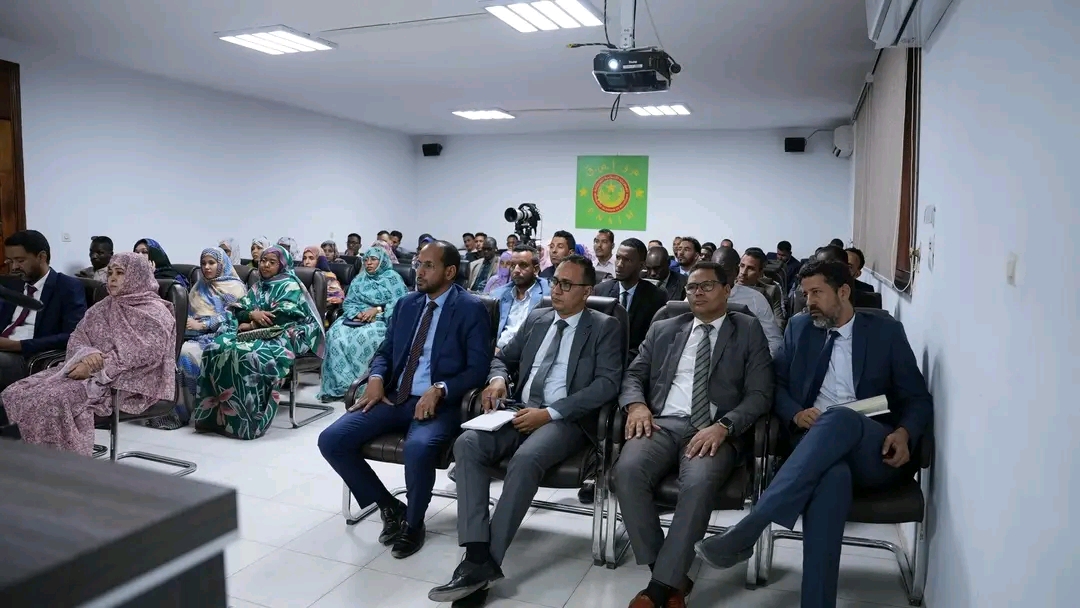
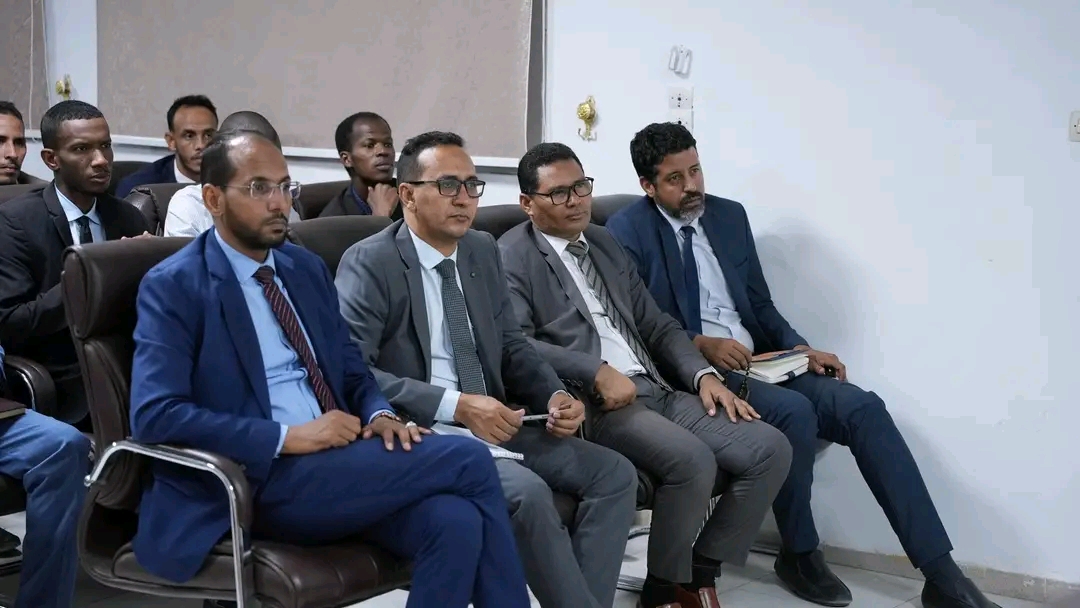
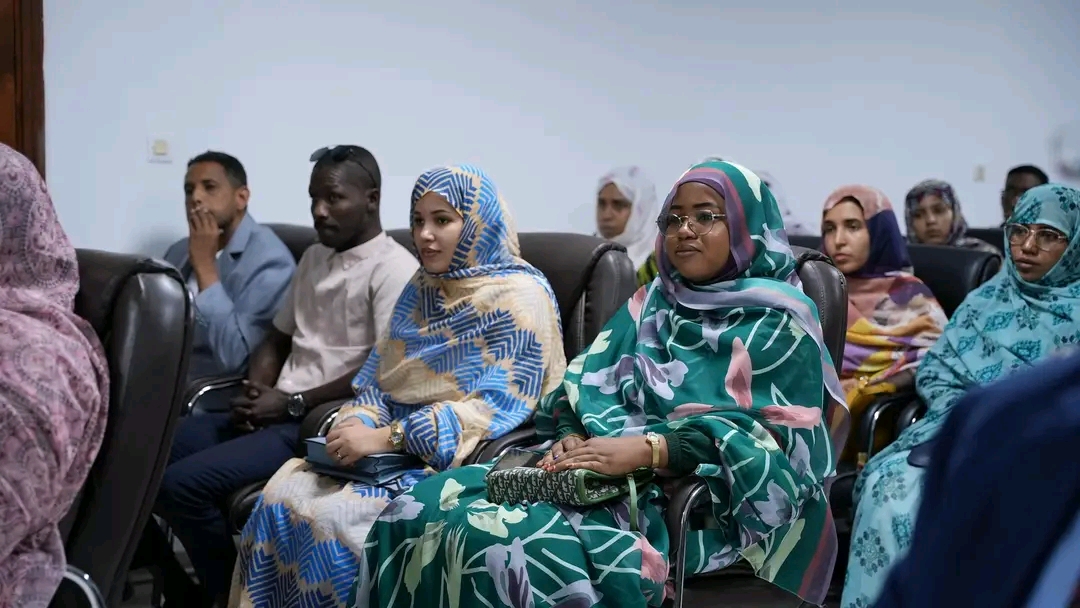
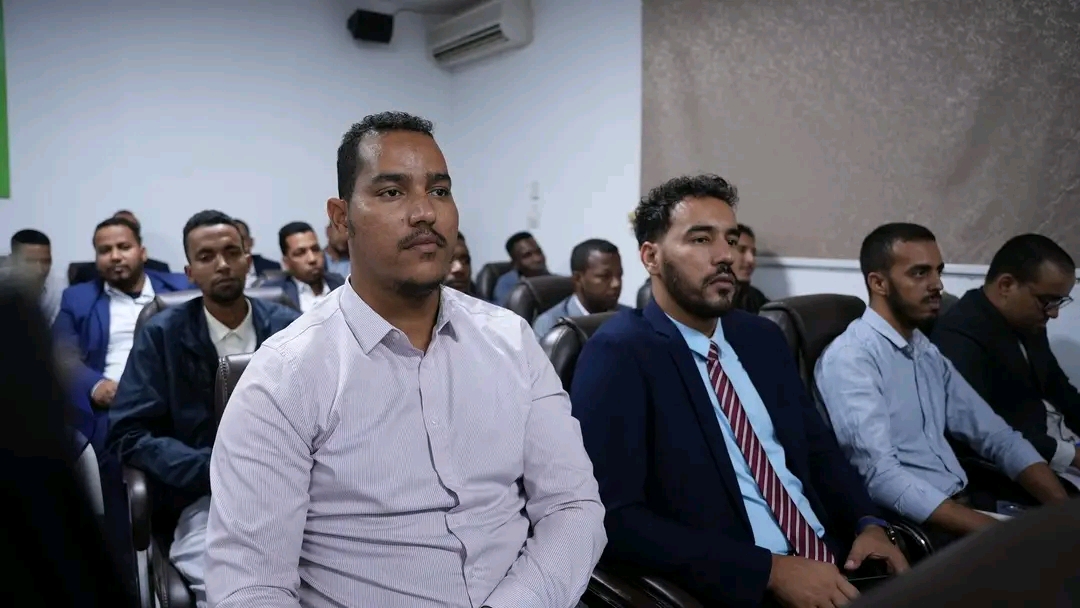
On the morning of Saturday 17 May 2025, the National School of Administration, Journalism and Magistracy held the eighth session of the “Experience Talks” series, launched in early March by the School’s Director General, Dr Mohamed Yahya Ould Saïd, to strengthen administrative and legal culture and institutional understanding among civil-servant trainees by drawing on the experience of leading national figures in administration, law and politics.
This session’s guest was former minister and adviser to the Presidency of the Republic, Ms Lemina El Ghotob Ememe, who gave a comprehensive account of her professional and administrative career spanning more than thirty years, from her initial training at the National School of Administration as an administrative attaché to her specialised training in personnel management at the National School of Administration of the Kingdom of Morocco.
She described her rise from the bottom of the administrative ladder to her appointment as minister, stressing that this long journey gave her a wealth of experience and a deep understanding of what public service requires.
She recalled passing the general administration track (administrative officers) examination in the mid-1980s, when she was one of only two women in her class. Despite her administrative training, she started her career as a secretarial trainee, then worked for a year and a half at the Ministry of Social Affairs before holding several senior administrative posts.
Discussing the value of training at the School, she highlighted the fundamental difference between an administrative letter written by an official trained at the School and one drafted by a university graduate with no administrative training or practical experience: the former is precise, clear and institutionally rigorous, while the latter often lacks depth and technical command. She stressed that the specialised training offered by the School is essential to producing competent civil servants able to work with a high degree of professionalism, enhancing the standing of the administration and citizens’ trust in public services.
She said that civil servants must remember that they serve citizens and should stay close to them without losing their authority, since a civil servant’s authority is that of the State. She also praised military training for instilling discipline and humility in administrators.
The speaker devoted much of her talk to encouraging the women trainees present, recounting her career as a pioneer in the Mauritanian administration: in 2007 she became the first Mauritanian and Arab woman appointed as a regional governor (wali), and the second African woman to hold the post. She also spoke about her experience as deputy governor in charge of the economy in 1999 and the social and administrative pressures she faced, stressing that women’s ambition should not be unbridled but guided by religious and moral principles, with due regard for society’s specific features.
The School’s Director General, Dr Mohamed Yahya Ould Saïd, expressed his admiration for the speaker’s rich and inspiring experience, which he described as a model of Mauritanian women’s ability to take on responsibility, noting that the national experience in this area is ahead of many Arab and African countries. He also emphasised career progression as a prerequisite for solid administrators capable of shouldering major responsibilities.
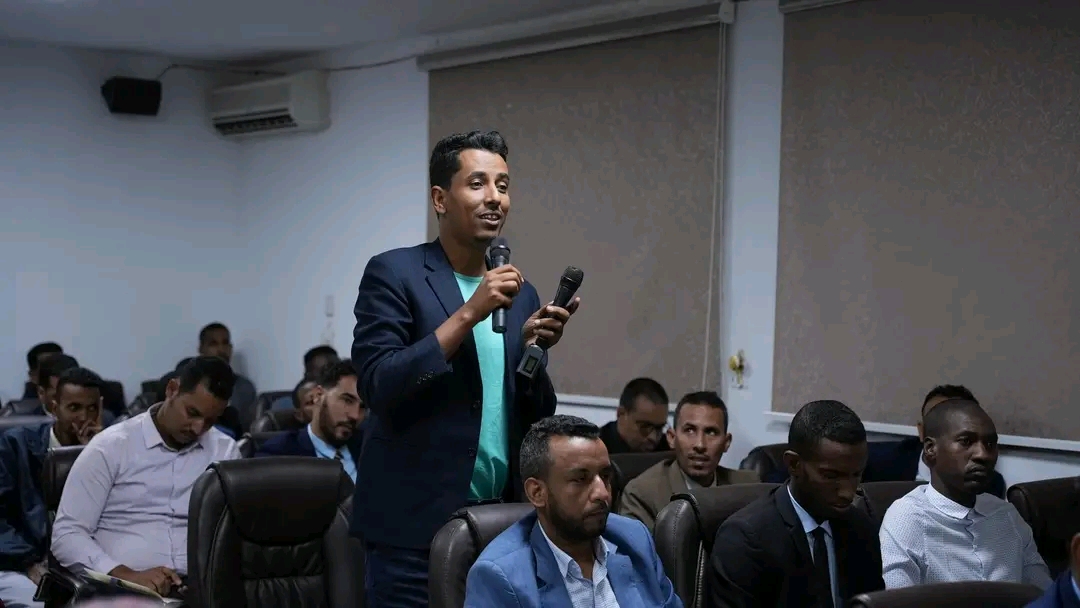
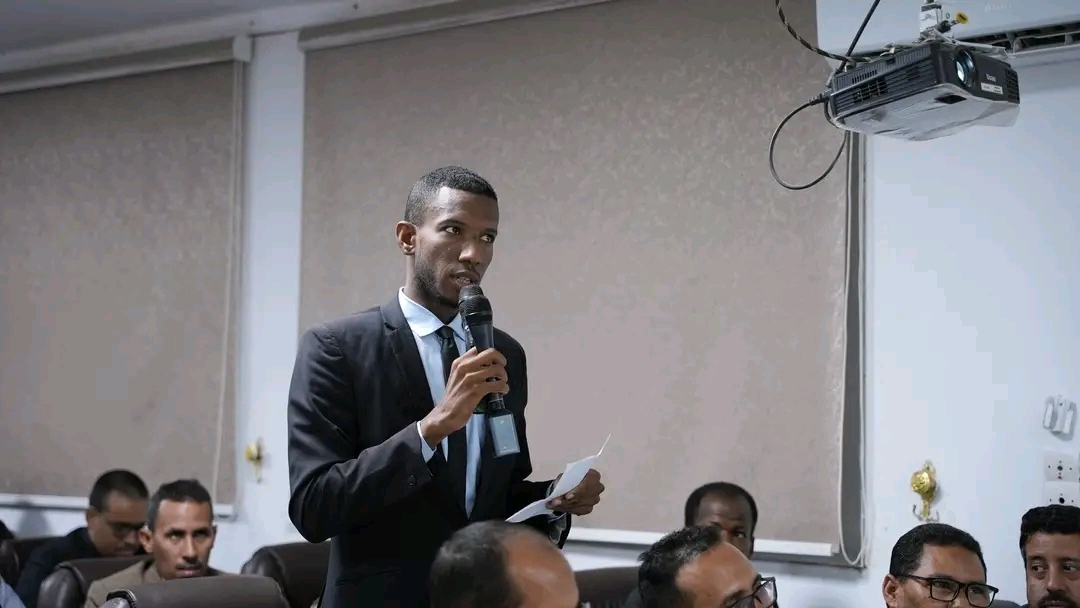
The floor was then opened to the trainees, whose questions and comments covered many topics, including the democratic process between external pressures and local needs, the challenges the speaker faced during her career, appointment and promotion procedures, women’s access to political and legislative office, public service ethics and the main difficulties civil servants encounter in practice.
The lecture drew strong interest thanks to its depth and its clear link between theory and practice, raising the trainees’ awareness of their roles and responsibilities and allowing them to learn from real-world experience.
In closing, the former minister addressed a moving message to the audience, stressing the importance of national and territorial unity and warning that an administrator who neglects these principles is “a worm eating away at the body of the administration”.
The lecture was attended by the Director General and members of the administrative and teaching staff, who also enriched the discussion and made the meeting a milestone in the trainees’ professional training.