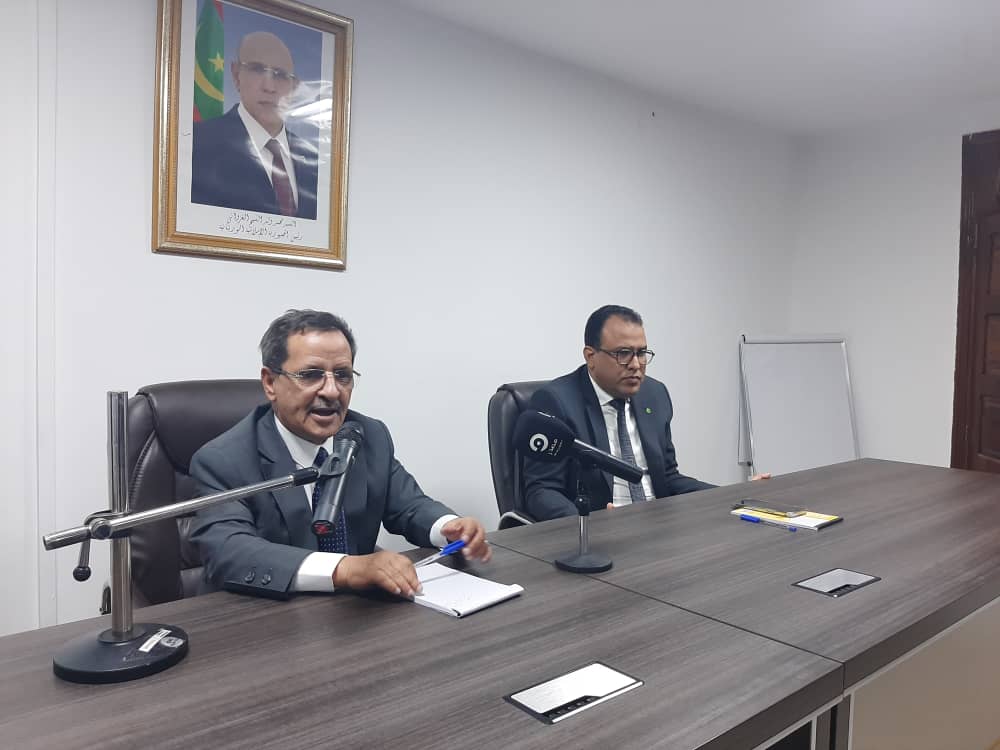
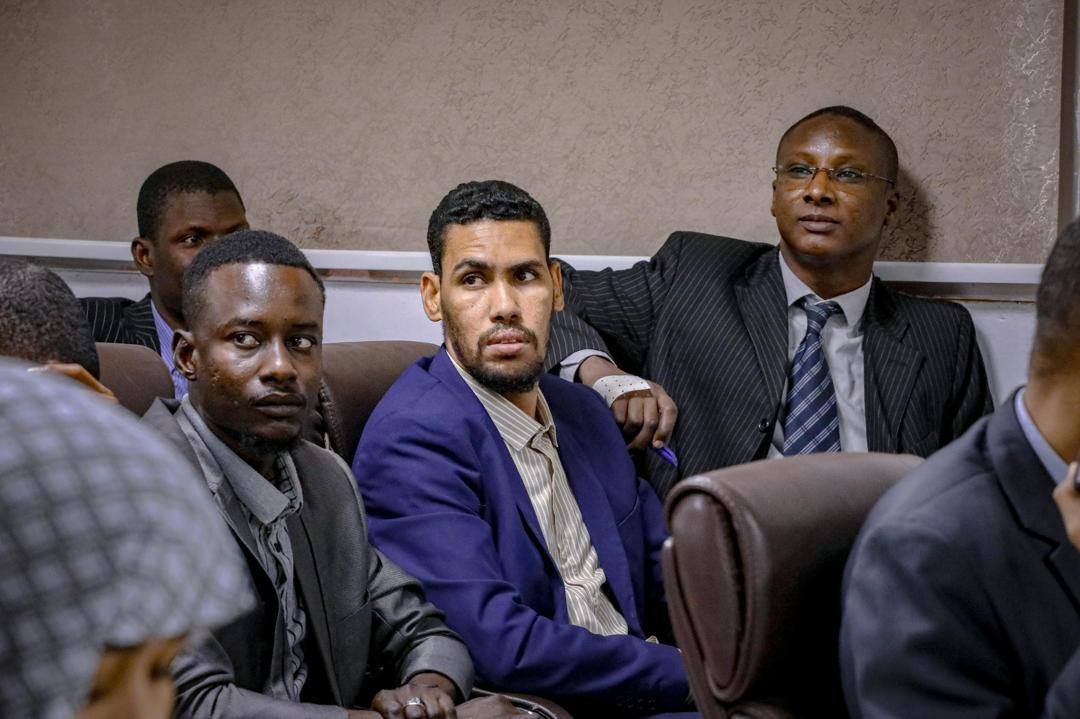
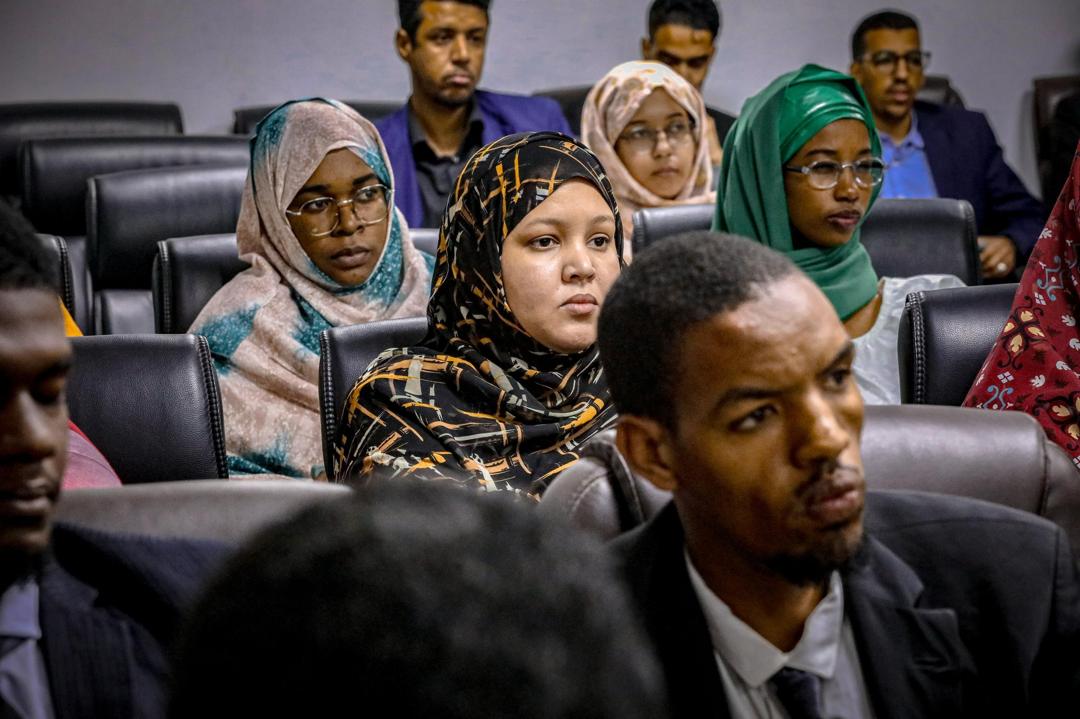
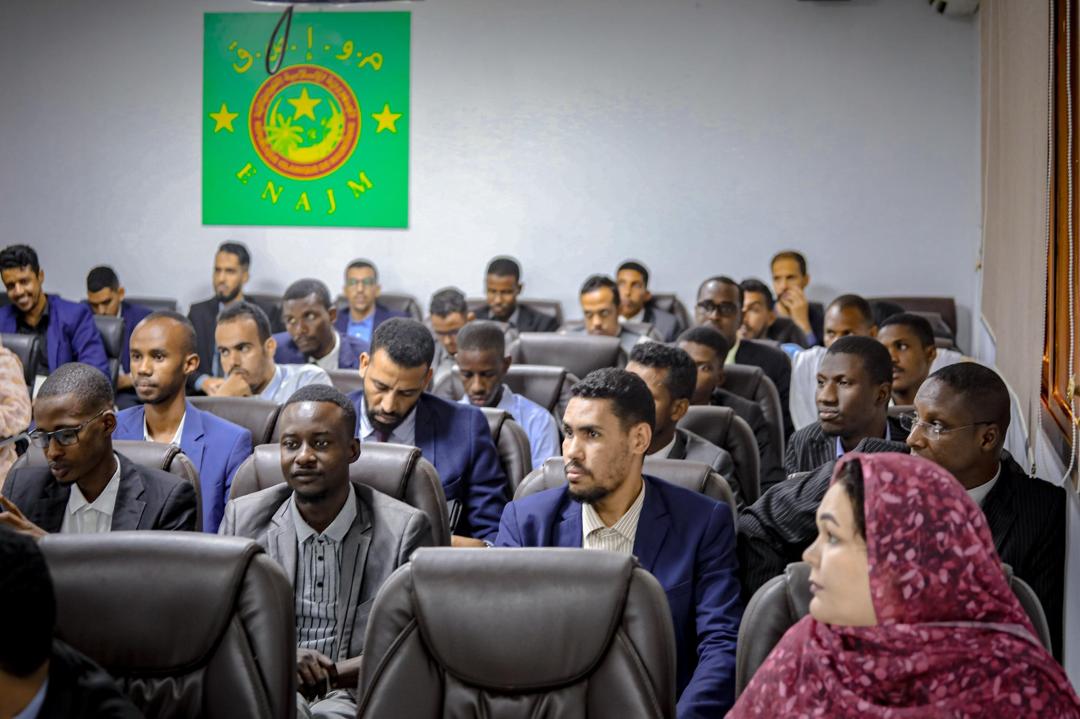
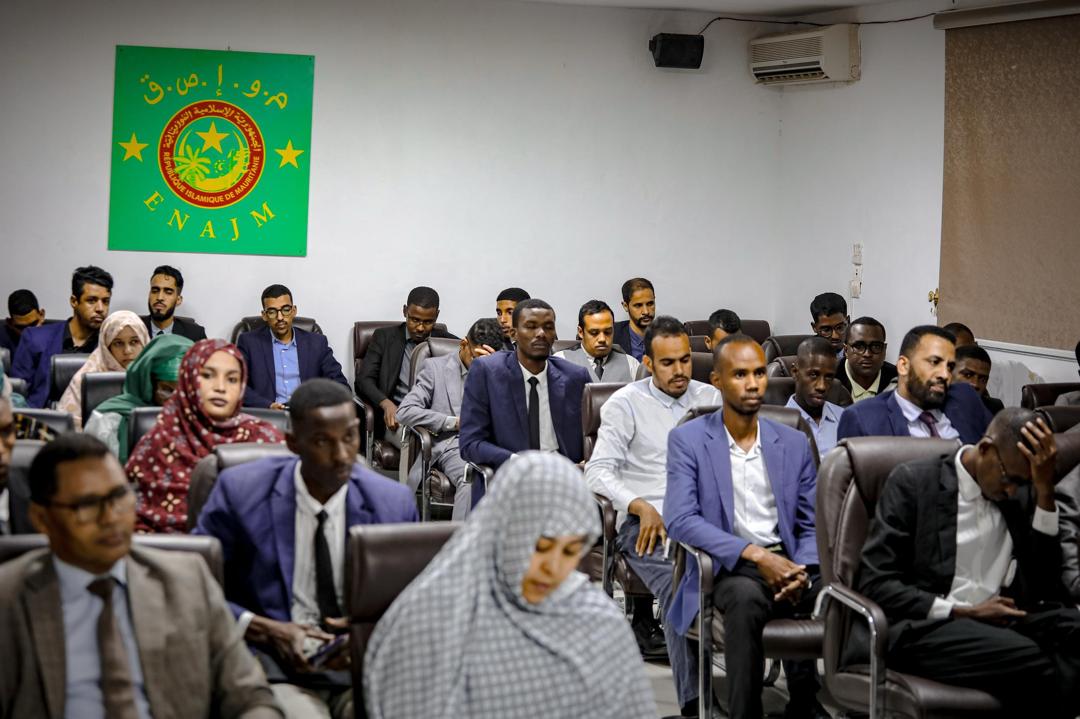
On Saturday 3 May 2025, the National School of Administration, Journalism and Magistracy held a lecture as the seventh session of the “Experience Talks” series launched in early March by the School’s Director General, Dr Mohamed Yahya Ould Saïd.
The series is part of the School’s efforts to strengthen administrative and legal culture and institutional understanding among civil-servant trainees, drawing on the experience of leading national figures in administration, law and politics.
The lecture was given by the Vice-President of the Independent National Electoral Commission, constitutional expert Dr Mohamed Lemine Ould Dahi, who gave a detailed presentation of Mauritania’s constitutions. He began by explaining that the Constitution is a social contract binding all parties, including civil servants, whom it obliges to serve the State through one of the branches of the civil service, whether administrative, financial or diplomatic.
He added that Mauritania’s first Constitution, promulgated on 23 May 1959, was never applied, as it was modelled on the parliamentary system of the French Third Republic, which had been marked by political instability. It was followed by the Constitution of 20 May 1961, regarded as the founding Constitution of the Mauritanian State, which enshrined political pluralism before being amended in the mid-1960s to introduce a one-party system, then prevalent in most countries except a few Western democracies. The Constitution of 20 July 1991 drew most of its provisions from the 1961 Constitution, without changing its general principles.
The speaker shed light on the historical and political contexts in which Mauritania’s constitutions emerged and evolved, linking them to the concept of public service and the position of civil servants within the constitutional order.
He also discussed the civil service career, from recruitment through several stages to retirement, stressing the great importance of the School’s continuing training programme for career development and for strengthening public officials’ skills in all fields.
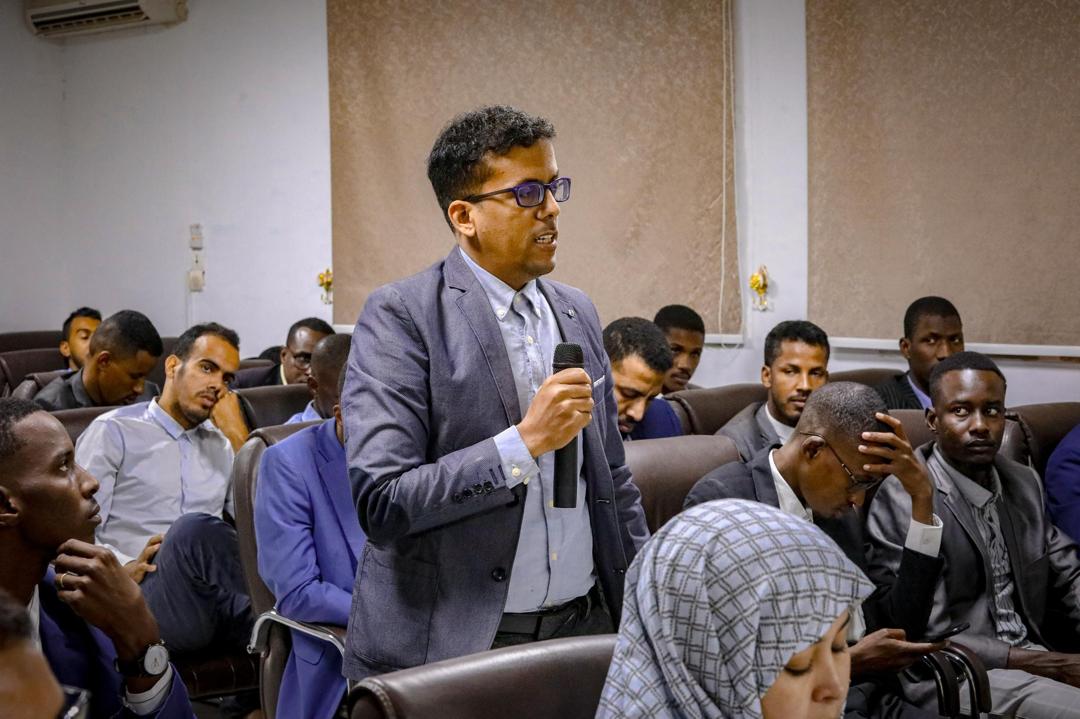
In the second part of the lecture, trainees asked questions on a range of topics, including the authority of constitutional charters compared with constitutions, the hierarchy of norms, anti-corruption conventions, laws governing local authorities, decrees on civil servants’ powers, flexible and rigid constitutions, and other related issues.
The lecture drew strong interest thanks to the depth of the presentation and its clear link between theory and practice, enriching the discussion and improving participants’ understanding of the constitutional framework of public service.
The speaker gave thorough answers to the questions and comments, reinforcing the interactive nature of the session.
The lecture was attended by the School’s Director General, Dr Mohamed Yahya Saïd, and members of the administrative and teaching staff.